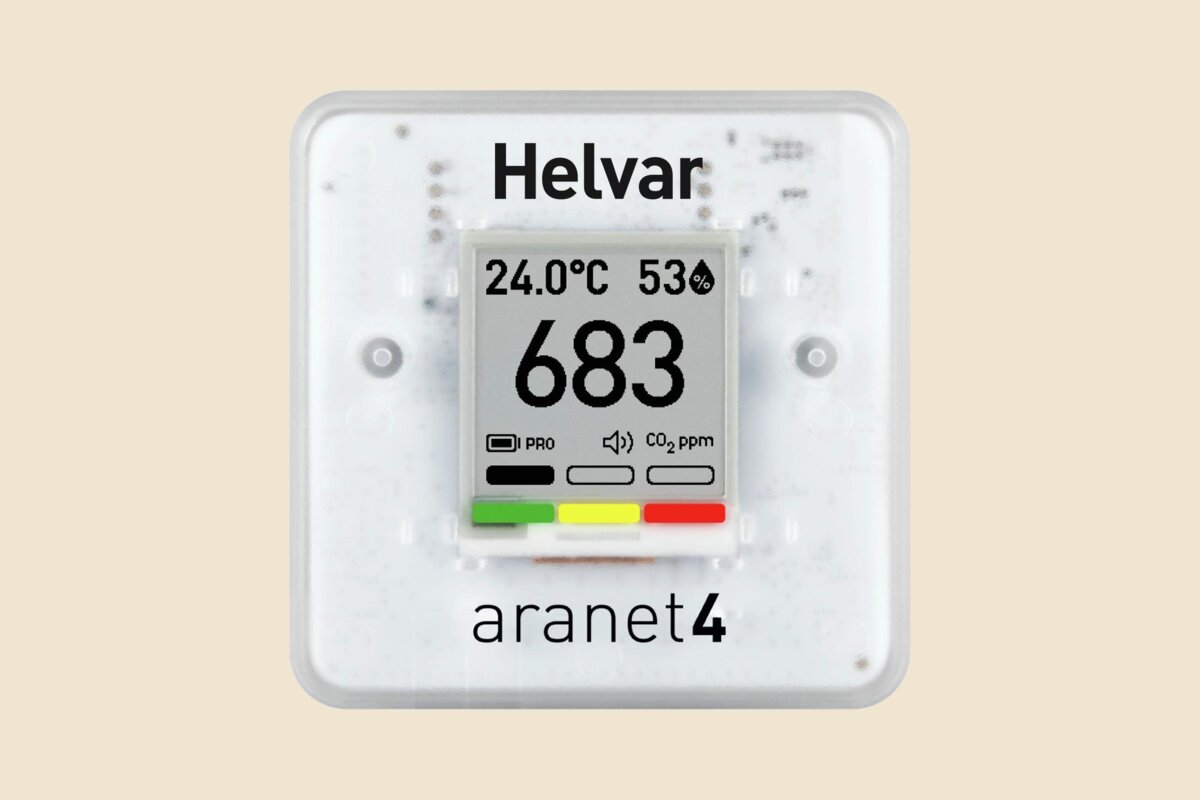
Helvar has announced a partnership with Aranet, the wireless sensor brand of Latvia's SAF Tehnika, that brings Aranet's environmental sensors into Helvar Senses. Senses, launched last November, uses the lighting control network to measure indoor conditions; the Aranet link adds sensors that can go where the lighting sensors cannot.
What the partnership adds
Helvar says Aranet played an important part in developing Senses in the first place. The announcement on 3 September makes the relationship formal: the Helvar system links wirelessly and directly with Aranet sensors, and these "extension sensors" widen the range of spaces that can be measured and improve the quality of the data. Helvar Insights, the cloud platform, then analyses and presents the readings, and Helvar says it will soon recommend where conditions are hurting energy performance or occupant comfort.
In Helvar's range the piece that makes this concrete is the Aranet4 Pro environmental extension sensor. It is a battery-powered wall unit that measures CO2, temperature, relative humidity and atmospheric pressure, and shows them on an E-Ink display. It needs a connection to the Helvar Senses solution to report into the system.
Ceiling sensor plus wall sensor
The other half of Senses lives in the ceiling. The 3901 Environmental sensor is a combined lighting control and environmental sensor: it measures climate, air quality and noise, and uses PIR plus speech detection to tell whether a room is really occupied. It has a 116° detection angle covering about 8 m at 2.5 m mounting height.
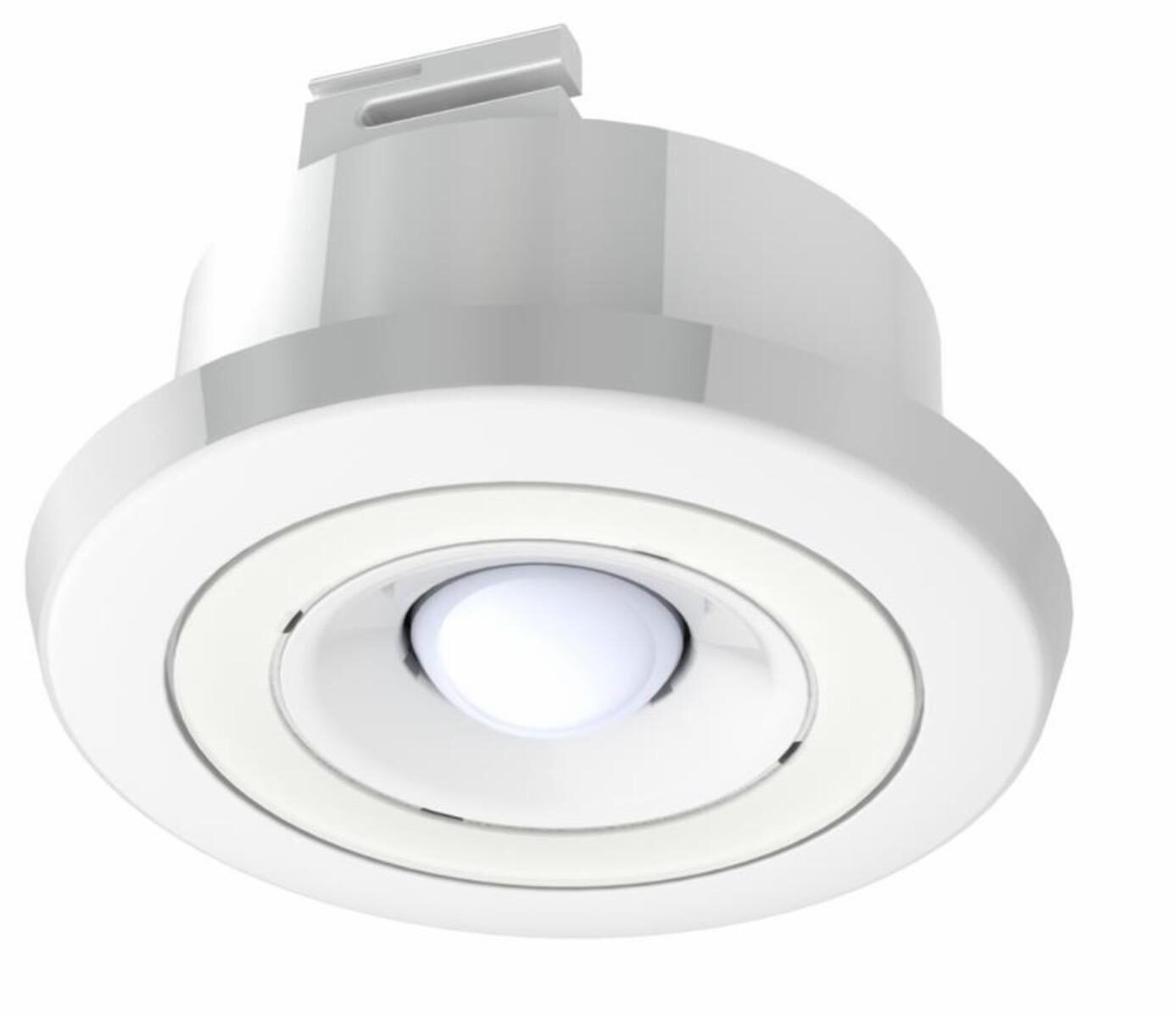
Why add a wall sensor at all? Because the ceiling is not where people breathe. CO2 builds up at desk and seated head height, and a battery unit on a wall can go into a meeting room, a classroom or a reception without new cabling. The two together give a fuller picture than either alone.
What it means here
In UAE offices and schools, fresh air is expensive: every cubic metre of outside air has to be cooled and dehumidified. That pushes building operators to keep ventilation low, and the result is often stuffy meeting rooms in the afternoon. Measured CO2 alongside occupancy data shows where ventilation and cooling are being wasted on empty rooms and where they are not keeping up with full ones.
For consultants, the decision point is still the lighting control design. If Senses is planned in from the start, the sensor layout, the wall positions for extension sensors and the BMS interface can all be agreed at once.
Next steps
See the products in our Helvar controls range, or talk to us about environmental sensing on your next fit-out.