DALI-2 is the second edition of IEC 62386, the standard behind DALI lighting control, and the useful change for a specifier is simple: sensors, push buttons and controllers are now standardised and certified, not just the drivers. If a spec only says "DALI", you can end up with drivers from one maker and controls that only talk to that maker's controller.
What DALI-2 actually changed
The original DALI standard described control gear, meaning LED drivers, ballasts and relays, very well. It said little about the devices that send commands. Every manufacturer built its own sensors and keypads, and they rarely worked with anyone else's controller.
DALI-2 fills that gap. The parts that matter most on a typical project:
- Part 103 covers control devices in general, including how several controllers share one bus (multi-master).
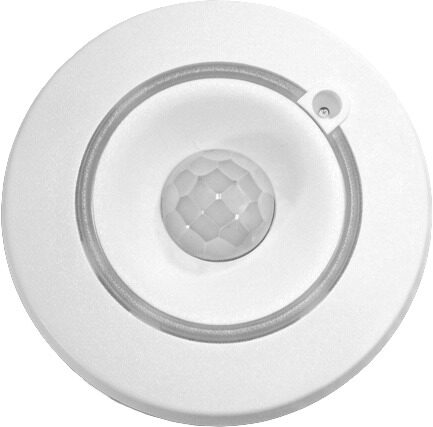
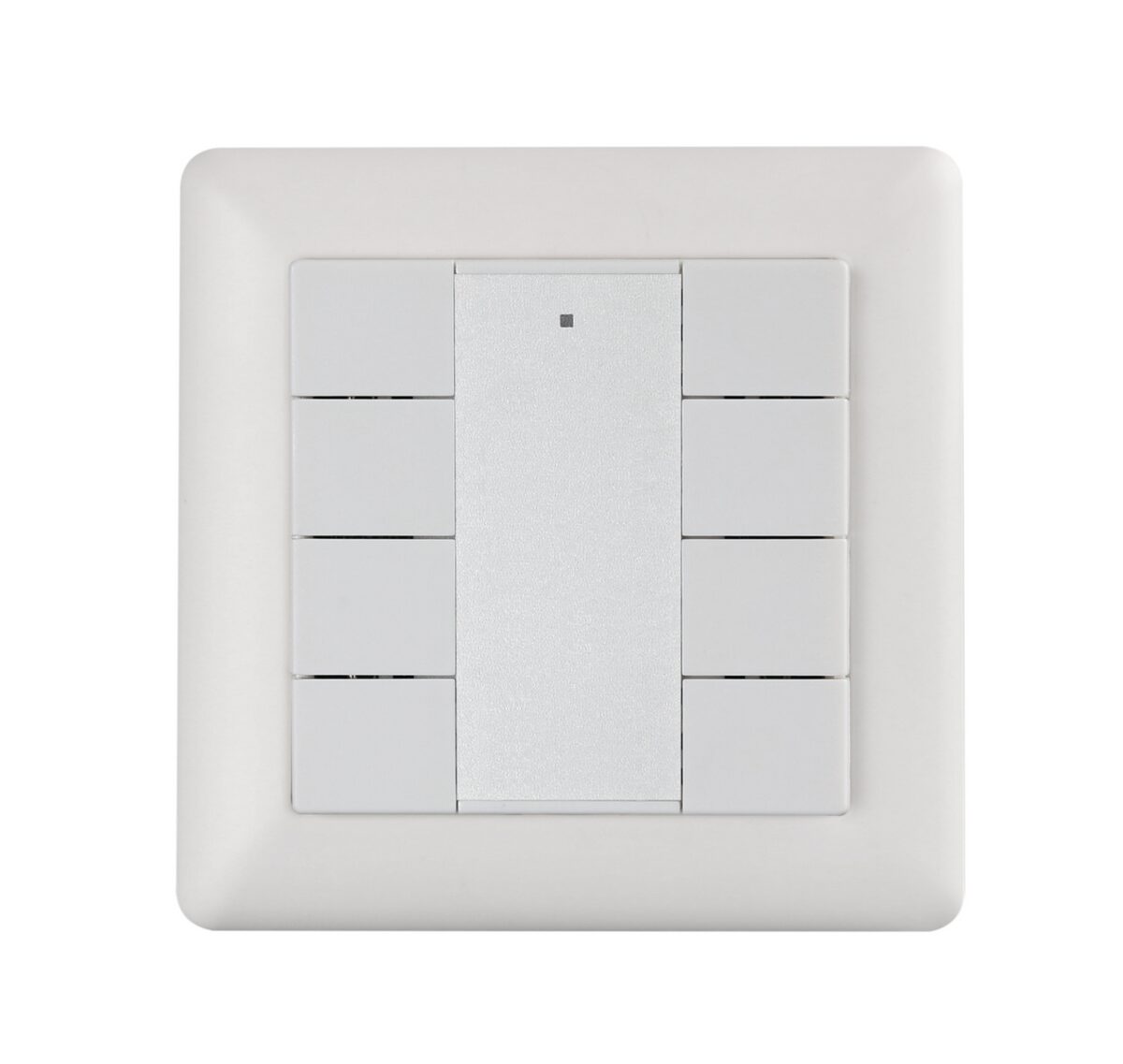
- Parts 301 to 304 cover input devices: push buttons, absolute inputs such as sliders, occupancy sensors and light sensors.
- Tighter rules for control gear, with more defined behaviour for fade times, power-on levels and reporting.
DALI-2 products are tested and certified through the DALI Alliance, and certified products are listed in its public product database. That listing is the thing to check, not the word on a box.
Control gear versus control devices
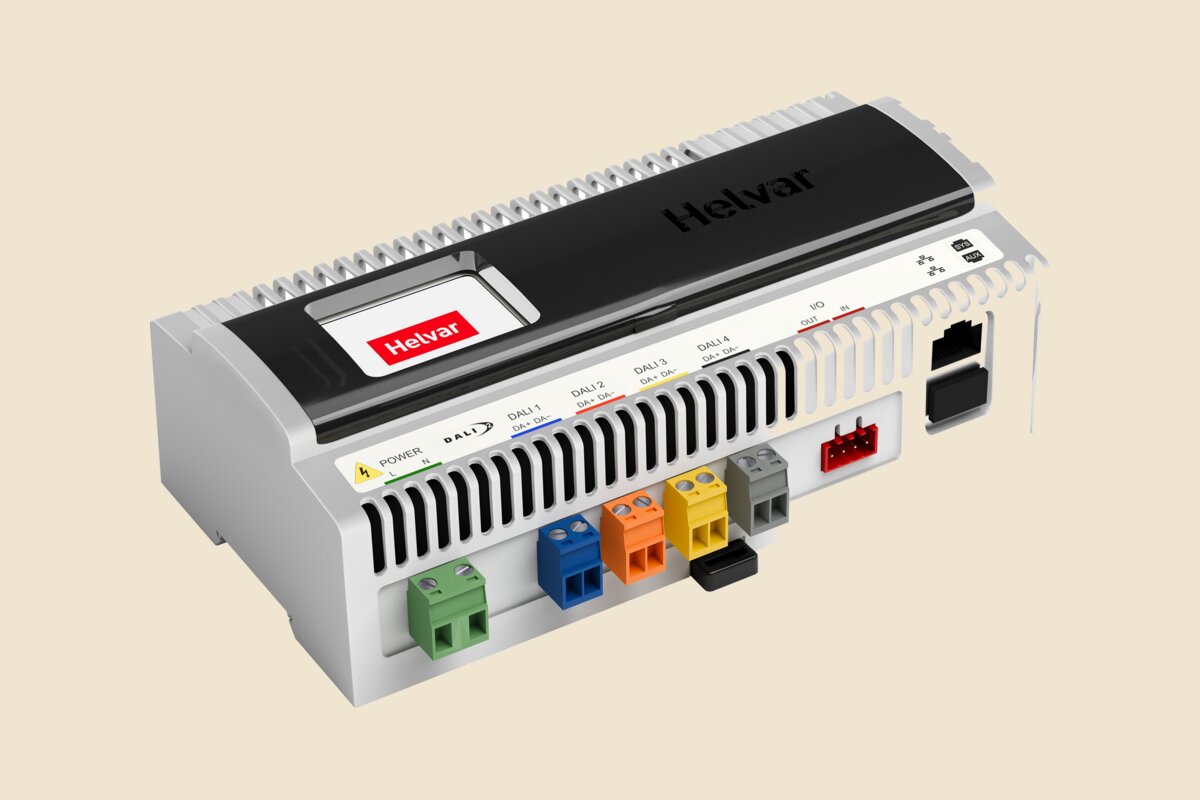
This is where most confusion comes from. A driver can be DALI-2 certified while the controller it sits on only supports DALI-2 control gear. Helvar's own data shows this clearly: the 905, 910 and 920 routers are certified DALI-2 single-master devices for control gear, and Helvar states that DALI-2 control devices are not supported on them. They work with Helvar's DIGIDIM sensors and panels instead.
If the project needs DALI-2 sensors and panels on the bus, including third-party ones, Helvar points to the multi-master controllers: the 945 with two DALI-2 subnets and the 950 with four.
Lines worth putting in the specification
- Drivers and control devices to be DALI-2 certified and listed in the DALI Alliance product database.
- Controllers to support DALI-2 control devices (multi-master), if third-party sensors or panels are expected.
- Maximum 64 control gear per DALI line, with spare capacity for future changes (we usually plan for less than the limit).
- DALI bus power supply rated for the total load of drivers, sensors and panels on that line.
- Programming software and the commissioned design file handed over to the client.
The last line is often missed. Without the design file, the next contractor starts from scratch.
Where DALI-2 does not help
DALI-2 does not change the basic limits of a line: 64 control gear addresses, 16 groups and 16 scenes per device. It does not make DALI fast enough for effects lighting, and it does not by itself give you a building-wide system. That is the job of routers or controllers networked over Ethernet. A good specification states the system architecture as well as the protocol.
It also does not settle colour control. Tunable white and RGB need device type 8 support in both the driver and the controller, so state that separately if the design calls for it.
Our take
For new projects we specify DALI-2 control gear by default, and decide the controller based on whether the sensors and panels need to be open to other brands. Our controls range is on the control products page. If you are writing a spec and want a second pair of eyes on the controls clause, send it to us.